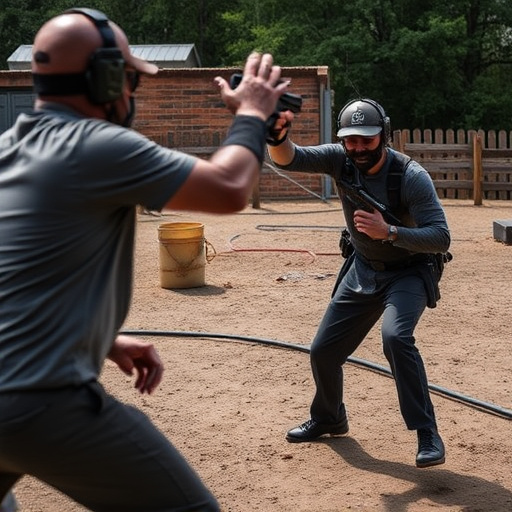
Understanding electrical current is key to comprehending how stun devices work, as they utilize high-voltage, low-current pulses to temporarily paralyze muscles. Legal stun gun carrying methods vary globally due to differing views on public safety, ranging from open carry to locking storage requirements. Knowing local laws is vital for responsible ownership and operation, balancing personal safety with legal adherence. High-quality components, compact designs, and safe handling practices enhance the effectiveness and safety of stun devices, emphasizing the importance of understanding legal carrying methods.
In today’s world, understanding the science behind stun devices is crucial for both users and legal authorities. Stun devices, or electroshock weapons, operate by disrupting muscle control through targeted electrical current flow. This article delves into the fundamentals of electricity, exploring how stun devices cause stunning and emphasizing key components that enhance efficiency. Additionally, we discuss legal considerations regarding stun gun carrying methods across different jurisdictions, offering a comprehensive guide for safety precautions and best practices in using these devices effectively.
- Understanding Electrical Current: The Basis of Stun Device Operation
- How Stun Devices Disrupt Muscle Control and Cause Stunning
- Legal Considerations: Stun Gun Carrying Methods Across Different Jurisdictions
- Key Components and Design Features Enhancing Current Flow Efficiency
- Safety Precautions and Best Practices for Using Stun Devices Effectively
Understanding Electrical Current: The Basis of Stun Device Operation
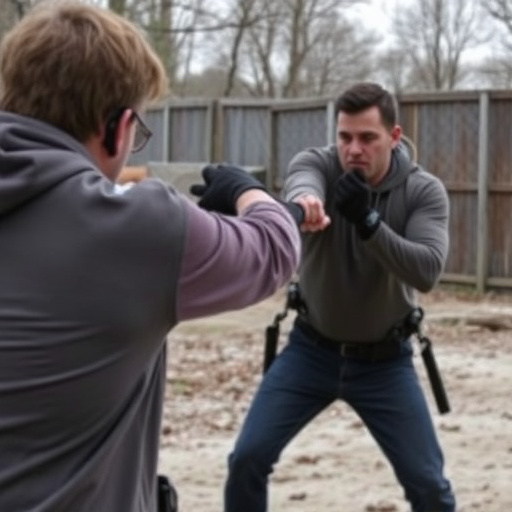
Understanding Electrical current is fundamental to comprehending how stun devices operate. Stun guns, or electroshock weapons, use an electric current to disrupt muscle control in their target, causing temporary paralysis and immobilization. This phenomenon is achieved through the delivery of a high-voltage, low-current electrical pulse to the body. The specific mechanisms vary between device types, but the core principle revolves around overwhelming the nervous system’s ability to transmit signals effectively.
The legal stun gun carrying methods differ across jurisdictions, reflecting varying perspectives on their use and public safety concerns. In many places, stun guns are treated similarly to self-defense spray, allowing for open carry in certain settings or requiring them to be stored in a locked container when not in use. Understanding the local laws regarding stun devices is crucial for responsible ownership and operation, ensuring these tools remain effective for personal safety while adhering to legal boundaries.
How Stun Devices Disrupt Muscle Control and Cause Stunning
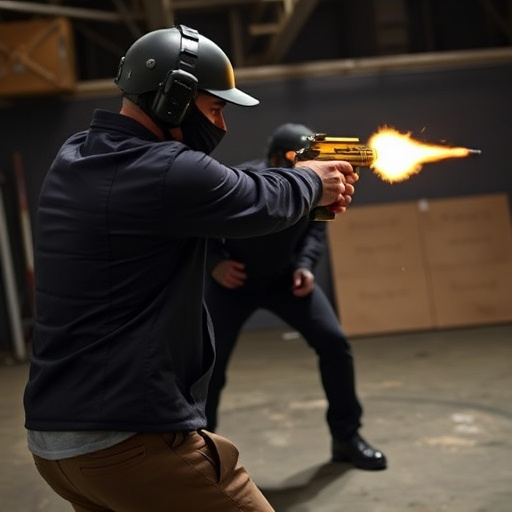
Stun devices, often in the form of legal stun guns, work by disrupting muscle control through an electric current. When activated, a brief, high-voltage pulse is delivered via electrodes, causing involuntary muscular contractions and disruption of the nervous system. This sudden jolt of electricity interferes with the body’s electrical signals, specifically targeting the motor neurons that coordinate muscle movements. The result is a temporary paralysis, or stunning effect, rendering the target immobile for several seconds.
The process doesn’t involve permanent harm; instead, it temporarily overloads the body’s natural electrical signaling, making it an effective and legal self-defense mechanism when used according to local regulations and carrying methods. Understanding how stun devices disrupt muscle control is key to appreciating their function as non-lethal force tools, in contrast to more harmful alternatives, while also adhering to responsible use guidelines.
Legal Considerations: Stun Gun Carrying Methods Across Different Jurisdictions

In many parts of the world, the possession and carriage of stun devices, commonly known as stun guns or electroshock weapons, are subject to stringent legal regulations. The laws surrounding stun gun carrying methods vary widely across different jurisdictions, reflecting a complex interplay between public safety concerns and individual rights. Some countries and states allow for open carry, similar to firearms, while others mandate that stun devices be concealed.
Legal stun gun carrying methods often include specific requirements for permit issuance, background checks, and the type of device permitted. Certain regions may also restrict the power output of stun guns, mandating lower voltage settings to reduce the risk of serious harm or accidental discharge. Understanding these legal considerations is crucial for anyone intending to carry a stun device, as non-compliance can result in significant legal consequences.
Key Components and Design Features Enhancing Current Flow Efficiency
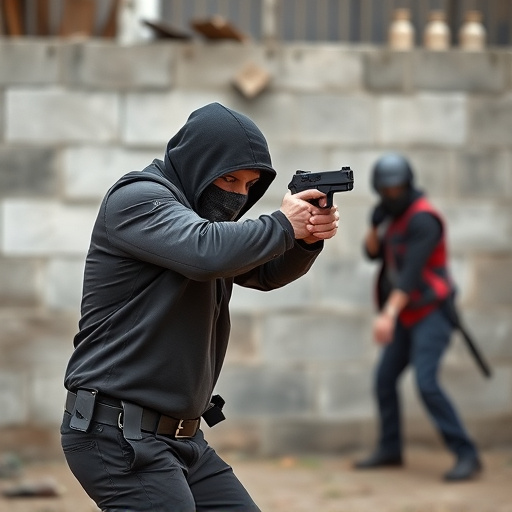
In the realm of stun devices, efficient current flow is paramount for effectiveness and safety. Key components such as high-quality capacitors, robust wiring, and precise voltage regulators play a crucial role in ensuring optimal performance. These components work in tandem to deliver a powerful yet controlled electric shock, making stun devices reliable tools for personal defense.
Design features like compactness, water resistance, and ergonomic grips further enhance current flow efficiency. Compact designs minimize internal resistance, enabling the rapid discharge of energy required to stun an assailant effectively. Water-resistant casing protects sensitive components from moisture, ensuring longevity and consistent performance. Ergonomic grips facilitate easy and precise activation, even in stressful situations, aligning with legal stun gun carrying methods for self-defense enthusiasts.
Safety Precautions and Best Practices for Using Stun Devices Effectively
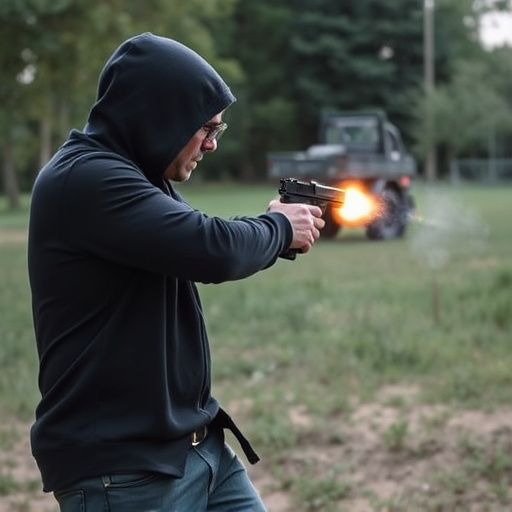
When using stun devices, safety precautions are paramount. Always ensure you are familiar with and comply with local laws regarding legal stun gun carrying methods. Obtaining the necessary permits and understanding the restrictions in your area is essential before purchasing and carrying a stun device. Additionally, keep in mind that these tools are powerful and should be used responsibly.
Best practices include regular maintenance of your stun device to ensure it is always ready for use. Test the device periodically to confirm its functionality and check battery life. It’s also crucial to store your stun gun securely, out of reach of children and unauthorized individuals. Moreover, familiarize yourself with safe handling techniques to minimize the risk of accidental discharge or injury during a confrontation.
Stun devices, by harnessing and directing electrical current flow, offer a powerful non-lethal self-defense option. Understanding how these devices disrupt muscle control through electric current is key to their effectiveness. While various jurisdictions have different legal considerations regarding stun gun carrying methods, responsible use and adherence to safety precautions are paramount. By focusing on efficient current flow through strategic design features, stun device manufacturers enhance their reliability and impact. Users should familiarize themselves with local laws and employ best practices for safe and effective deployment.